The North · 30 min hands-on · 16,5 h waiting · Meat · Main course · For beginners
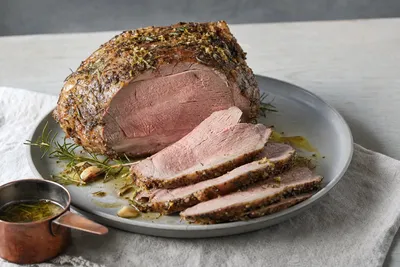
Tjälknöl
For 6 servings · US units
Frozen moose roast from Norrland, slow-cooked and steeped in a juniper brine
Tjälknöl comes from Norrland in northern Sweden, where it is known as a traditional dish; the name is rendered as 'frost bump'. The roast goes into the oven frozen solid, cooks for many hours at a low temperature and then rests in a spiced brine. It is served cold in thin slices with potato salad, potato gratin or fresh vegetables, a dish for autumn and winter.
Ingredients
- 3⅓ lbboneless, frozen solid; venison, beef or lamb also workA roasting joint of moose: dark red, very lean and mildly gamey.Substitute: A red deer roast comes closest; a lean beef joint from the round or topside also works but tastes noticeably less gamey.Read more
- 4¼ cupswaterfor the brine
- ½ cupsaltfor the brine
- 2 tspsugarfor the brine
- 1 tbsplightly crushedDried blue-black berry cones of the juniper shrub, resinous and spicy with a hint of pine and citrus.Substitute: There is no true substitute; a splash of gin carries the juniper note into sauces and marinades, while a little rosemary with bay leaf only catches the resinous side, not the fruity sweetness.Read more
- 2bay leavesfor the brine
- 1 tspblack peppercoarsely crushed
- 1 tspwhite peppercrushed, added to the brine (optional)
- 3 clovesgarliccrushed, for the brine (optional)
- 1 tspthymedried; or other herbs such as rosemary (optional)
- 1 tbspmustard seedsfor the brine (optional)
Method
- Put the frozen roast inPreheat the oven to 75–210 °F. Without thawing it, place the frozen moose roast on a rack or in an ovenproof dish.
- Slow-cook to core temperatureCook the roast undisturbed for 8–12 hours. After a few hours, insert a meat thermometer and wait until the core temperature reaches about 60–150 °F for pink meat or 68–160 °F for well done.
- Boil and cool the brineWhile the roast cooks, make the brine: bring the water to the boil with the salt, sugar, juniper berries, bay leaves and black peppercorns, adding white peppercorns, garlic, thyme and mustard seeds if you like. Stir until the salt has dissolved, then let the brine cool completely.
- Brine the hot roastTake the roast straight from the oven and put it, still hot, into the cold brine. A double freezer bag or a snug container works best, so the meat is fully covered.
- Steep in the fridgeLeave the roast in the brine in the fridge for about 5 hours, turning it now and then.
- Dry and slice thinlyLift the roast out of the brine, pat it dry and use a sharp knife to slice it paper-thin against the grain.
- Serve coldServe the slices cold, for example with potato salad, potato gratin or fresh vegetables.
Tips and variations
Instead of moose, you can use venison, beef, lamb or a frozen pork roast with the same method. If you are short on time, cook the roast for about 4 hours at 70 °C to a core temperature of 60 °C. Left in the brine overnight or for up to a day, the meat turns saltier; a quick rinse under cold water after brining helps. The juices that run from the roast can be used for a sauce. For a more aromatic brine, add cloves, coriander seeds, allspice berries, tarragon, lemon and leek. A pork neck with a spice rub, roasted at 180 °C, is a reinterpretation rather than the classic dish. To serve, a potato salad with capers and gherkins goes well alongside.
Allergens
May contain if you use the optional ingredients: Mustard
These notes follow from this recipe's ingredient list. Ready-made products and brands may contain further allergens — please check the packaging yourself.
Something not right?
This recipe was put together from independent sources and checked before publishing. Even so, a mistake can slip through — an amount that does not add up, a step that does not work as written. If you spot something, write to us: we will look into it and put it right.